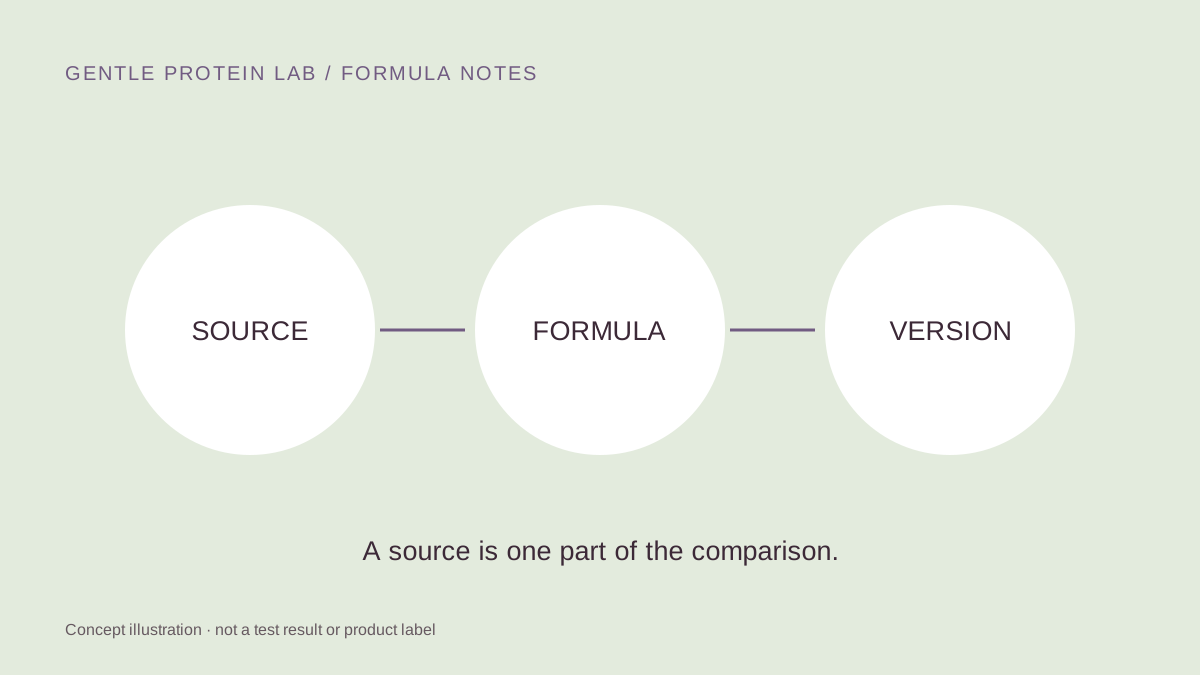
Name what you are actually comparing
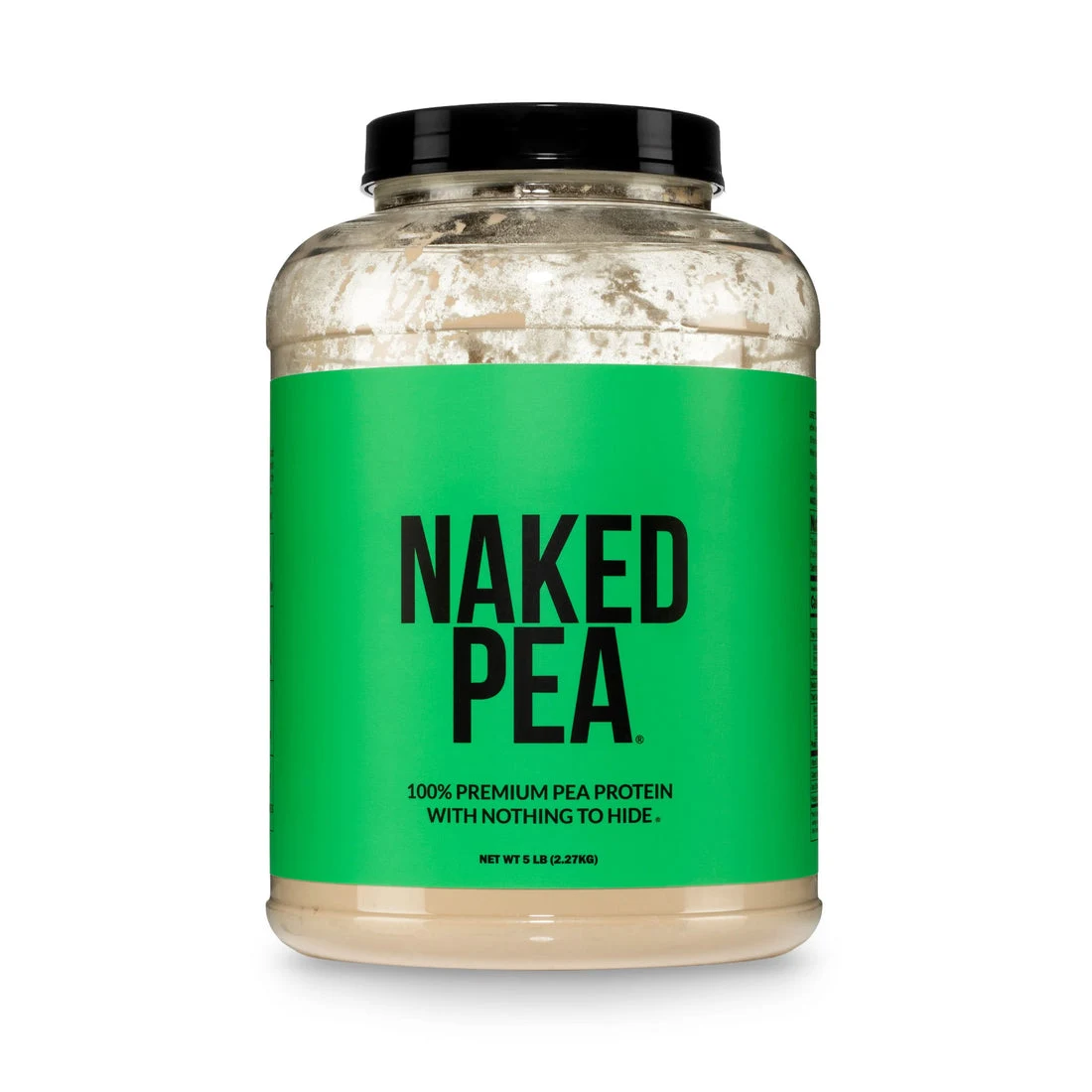
A product that includes pea protein is not necessarily a pea-only formula. Record whether pea is the sole protein source or part of a blend, then list the other sources. The front of a package can emphasize one source without describing the full recipe.
Keep flavor and additions visible
A plain pea formula and a chocolate plant blend can differ in sweeteners, other protein sources and additional ingredients. An assumption about the source should not stand in for a check of the whole list.
Do not infer a digestive guarantee
The ingredient name alone cannot establish individual tolerance or low-FODMAP status. Where a product makes a specific claim, find the relevant evidence and serving context. A simpler comparison is not the same as a proven better outcome.
Useful questions for a shortlist
Does the label name all sources? Is the intended flavor clear? Are ingredient restrictions met? Can the manufacturer provide any information your decision depends on? If a value is not disclosed, do not fill it with a number from another brand.
Compare finished products
The Orgain, Ora and KOS reviews demonstrate why “plant protein” is a broad label rather than one formula. Use the source filter to find the relevant reviews, then compare the actual products rather than ranking all pea-containing powders together.
Compare unflavored powders without assuming the same experience
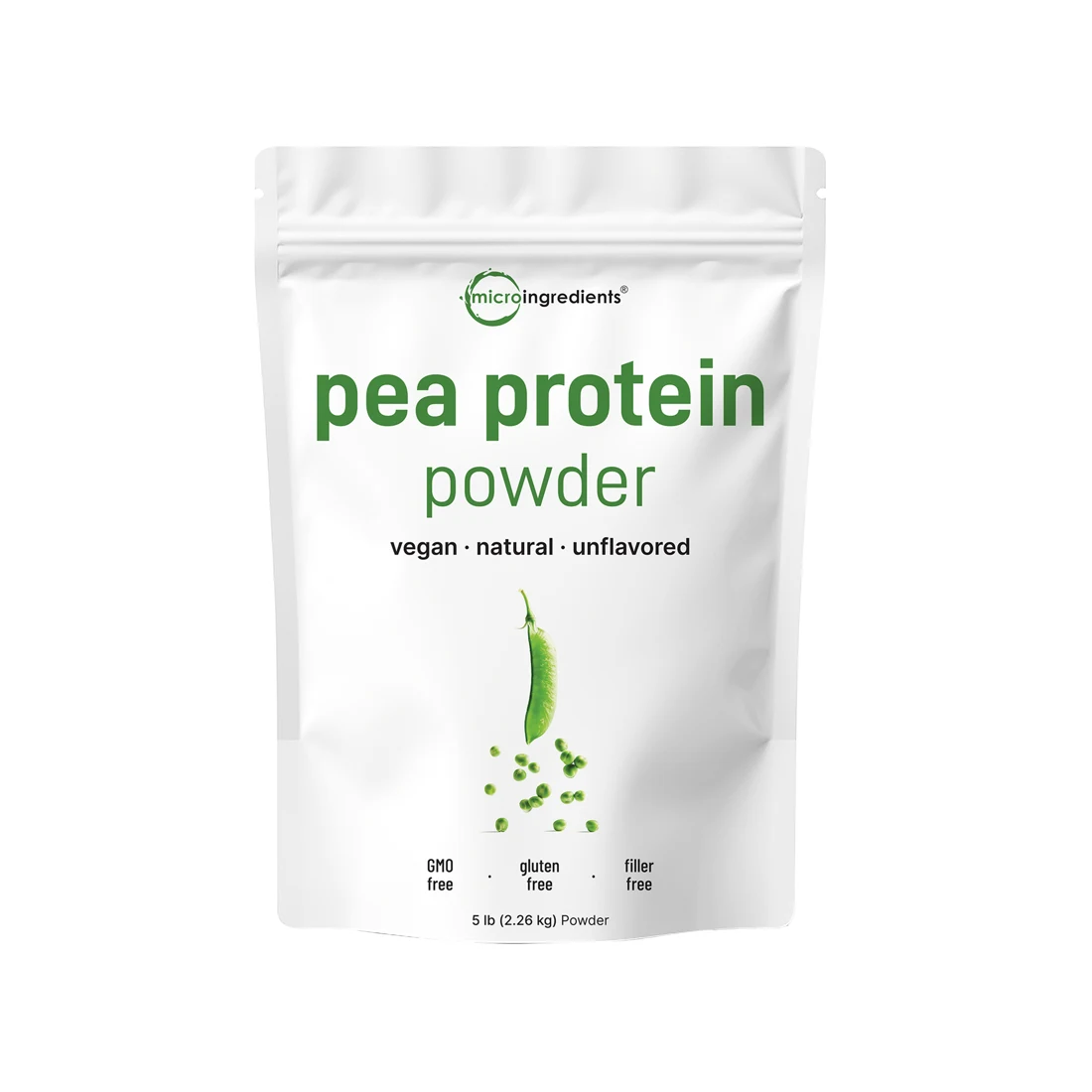
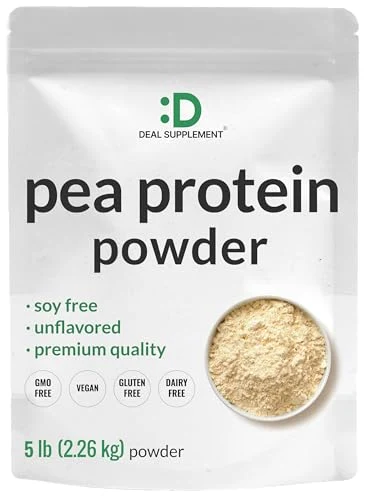
Unflavored describes a flavoring choice, not a promise of no taste. Our Micro Ingredients assessment and DEAL SUPPLEMENT assessment explain why their small review samples do not support a single taste or mixing verdict. Compare the exact serving, full ingredient list, liquid and preparation method. Keep comments about taste separate from evidence about ingredients or digestive suitability.
Sources & scope
Sources checked November 5, 2026. Product formulas and packaging can change. This page is educational, not individualized medical advice.